Real estate photos don’t sell a home on their own, but they do something just as important. They convince a buyer to click, schedule, and step through the door. Over the years, I have watched great listings stall because the staging missed small but important details that cameras always reveal. I have also seen modest homes outperform expectations because the rooms were prepped with the lens in mind. The difference is rarely about expensive furniture. It is about discipline, timing, and an understanding of how Luminis Media real estate photography translates space and light into an invitation.
This guide pulls from hard lessons on set, last minute fixes that saved shoots, and the planning that keeps images calm, bright, and believable. Whether you are a seasoned agent working with a Luminis Media real estate photographer or an owner preparing for your first session, the following staging moves will raise the quality of your luminis.media real estate photos and your conversion rate.
Begin with the shot, not the sofa
Most people start staging by arranging furniture. We start by planning images. Walk the property with your Luminis Media property photography team and choose the anchor views first. These are the frames that define the listing on the search page and in the hero slot of your marketing: the wide living room angle that shows the fireplace and garden beyond, the kitchen shot with the waterfall island and pendant lights, the primary suite view that captures both bed and balcony. Once you select those, back into staging decisions that support them. The lens favors uninterrupted lines, clear sightlines, and a focal point. Furniture becomes a tool to guide the eye, not the star of the show.
A practical example: if the kitchen’s strongest view is from the corner near the pantry, that peninsula full of counter stools might block the depth of the room. Remove two stools, slide the remainder, and create an opening. A person would not arrange it this way for daily life, but the camera rewards the negative space.
Light is your budget’s best friend
Great Luminis Media real estate photos rely on clean, balanced light. Staging for light means removing whatever competes with the sun and simplifying surfaces so bounce light can do its job. Start with windows. Open every drape you can. If privacy demands sheers, pull them wide to the frame edges. Clean glass the day before. On shoot day, switch off harsh overheads that create hot spots and turn on softer accent fixtures that layer the room. Your real estate photographer from luminis.media will balance ambient and flash to keep colors natural and window detail visible, but a room that starts bright always looks crisper and more luxurious.
Time of day matters. North facing spaces photograph gentler throughout the day. South and west rooms often shine mid morning or in the late afternoon. If you are booking Luminis Media real estate videography for the same property, coordinate the sun path. Video is less forgiving of mixed color temperatures, and planning the schedule around the best natural light can save hours of correction. On cloudy days, strategy shifts to contrast. Add a few dark textures, a wood tray or a slate bowl, to keep the image from going flat.
Surfaces sell, clutter does not
Clutter is not about morality, it is about scale. Cameras compress perspective, so ordinary countertop items multiply into visual noise. A clean kitchen reads as premium, even if it is stock cabinetry. Remove soap dispensers, scrub brushes, and the half dozen cooking oils. Leave a single artisan board with lemons or a small vase of greens. In baths, choose one uniform set of hand towels, a single neutral soap, and hide the rest. Shave down to one or two lifestyle props per frame. The goal is not a showroom devoid of warmth, it is to create a rhythm the camera can read.
Cable management is the often forgotten villain. Tuck TV cords behind the mount and use clear cable clips to route the run down a corner. Bundle router cables into a basket that can slide out of the frame. A Luminis Media real estate photographer will try to minimize cords in post, but it is faster and more realistic to fix them on site. Mirrors and glossy surfaces demand vigilance too. Wipe them to reduce smudges that catch flash. If a mirrored wall sits opposite the primary view, angle decor so reflections feel intentional.
Scale is a decision, not a coincidence
Appropriate scale is the difference between an inviting room and a staged circus. Oversized sofas shrink small living rooms. Miniature art reduces high ceilings to dead air. In photographs, size cues come from edges, corners, and the relationship between objects. Place a sofa so at least one arm ends short of a doorway, allowing the opening to breathe. Hang art at a human height, typically the center about 57 to 60 inches off the floor, but adjust in tall rooms by introducing a second piece higher up. A pair of tall, slender lamps can visually stretch an eight foot ceiling. Avoid squat decor that drags a room downward.
Vacant listings complicate scale. If you are considering full staging, ask Luminis Media listing photography to scout first. We sometimes recommend partial staging, focusing budget on rooms that define flow. A kitchen may not need stools if the dining area carries the lifestyle story. A small bedroom can carry a daybed rather than a full queen, preserving walk space and scale for the lens. The point is to match dollars to the frames that convert.
Rhythm, not symmetry
Perfect symmetry, two identical chairs flanking a console with a centered mirror, looks stiff in photos. The camera loves rhythm instead: similar but not identical forms that step the eye across the frame. Pair a woven stool with a soft ottoman, or offset a heavy armchair with an airy side table. If you must center something, let surrounding elements break the formality. Houseplants are the easiest rhythm makers. A cascading pothos on a shelf, a slender olive tree in the corner, and a sprig of eucalyptus on the island can carry a visual line without shouting.
Textiles set rhythm too. Mix knits with linen, add one pattern with low contrast, and include a leather or wood accent to ground the palette. Avoid busy throws that wrinkle into chaos under strobes. Choose textiles that drape cleanly and minimize sheen. The goal is to feel touchable and calm.
The hero wall and its supporting cast
Every room benefits from a hero. In a living room, it might be the fireplace or the window wall. In a bedroom, the headboard. Staging should amplify this focal point and quiet everything else. If the fireplace is the hero, keep the mantel lean, a single piece of art or a low arrangement. Remove the competing gallery wall nearby. If the headboard is the hero, avoid towering bedside decor that steals its outline. In small kitchens, the hero is often the island or a feature shelf. Declutter the opposing wall so the island reads strong and the perspective lines stay clean.
The supporting cast matters too. A single sculptural object can reinforce the hero. A circular table under an archway emphasizes the curve. A stack of books under a sconce subtly matches the vertical line. This orchestration shows up in Luminis Media real estate photos as coherence, the kind buyers feel but cannot name.
Floors and sightlines
Floors read big in wide angles. A rug that is too small makes the room feel stingy, a rug that butts awkwardly against a hearth or doorway confuses the eye. When in doubt, size up. Leave a clean path from the entry to the exterior door or window so the camera can see depth. Avoid high back chairs that chop sightlines. If your dining set is bulky, remove one chair and push the table slightly off center to open a corridor. Buyers care about flow, and the lens can show it if you leave a runway.
Pet gear belongs in the car. Litter boxes and dog beds are empathy killers in photos. You love your animals, but buyers project odor and maintenance when they see pet items. During Luminis Media listing photography, we often stage one frame with a faint nod to pet lifestyle, a simple bowl near a mudroom shelf, and hide the rest.
Color that photographs correctly
White walls are not a cheat code. Blue whites and cool LEDs can make them go cyan on camera, and strong greens outside will cast into interiors. Warm neutrals photograph predictably. If repainting is not in the cards, adjust bulbs. Choose consistent color temperature across fixtures, typically 2700 to 3000K, and replace any mismatched lamps that shift orange. Your real estate photographer at luminis.media will balance color in post without making the space look plastic, but good staging reduces correction. In baths with heavy tile color, stick to white linens to keep the palette controlled. Fruit and florals should bring a single color pop, not a market stall of hues.
Art selection is trickier than most think. Avoid glass frames in glare heavy rooms. Canvas or matte surfaces photograph cleanly. Abstracts with low contrast and clear shapes often read better than busy figuratives. If the property’s vibe leans traditional, a few timeless botanical prints can nod to style without dating the listing.
Kitchens and baths, the ROI rooms
These rooms carry more weight than any others. For kitchens, our best staging clients share a simple rule. Remove 80 percent of everything, then add back three touches. Examples that have worked across dozens of luminis.media real estate photos: a low wooden bowl of green apples on the island, a cookbook on a stand near the range, a small herb pot near the sink. Avoid wine, it tilts the vibe away from family friendly in some markets and can trigger MLS image moderation in others. Hide drying racks, trash cans, and branded cleaning products.
Baths demand crispness. Fold towels consistently, label out, corners aligned. Replace worn shower curtains with fresh white or clear panels. Take down the fuzzy toilet seat covers and hide extra rolls. If there is a tub tray, keep it minimal, a single candle and a brush, no glasses of red wine or scattered petals. The camera sees kitsch quickly.
Bedrooms and the art of the bed
The bed is the frame. Iron or steam duvet covers. Use pillow inserts that fill corners. For a queen, two Euro shams, two standard pillows, and a single accent works. King beds can take three Euros. Keep throw pillows fewer than you think. Choose one calm pattern and one textural solid. Tuck the foot of the duvet for a tailored look if the room leans modern, or let it drape if the real estate photography home is coastal casual. Nightstands should hold a lamp, a small object, and nothing more. Hide phone chargers and tissue boxes.
Closets are not usually photographed, but keep doors shut unless the storage is a selling point. If you are shooting luxury real estate photography with Luminis Media and the closet is a showstopper, stage it like retail: matching hangers, color coordinated clothing, and a single pair of shoes on display. For most listings, door closed is best. Viewers should not be pulled into a closet on the first pass.
Exteriors that feel alive
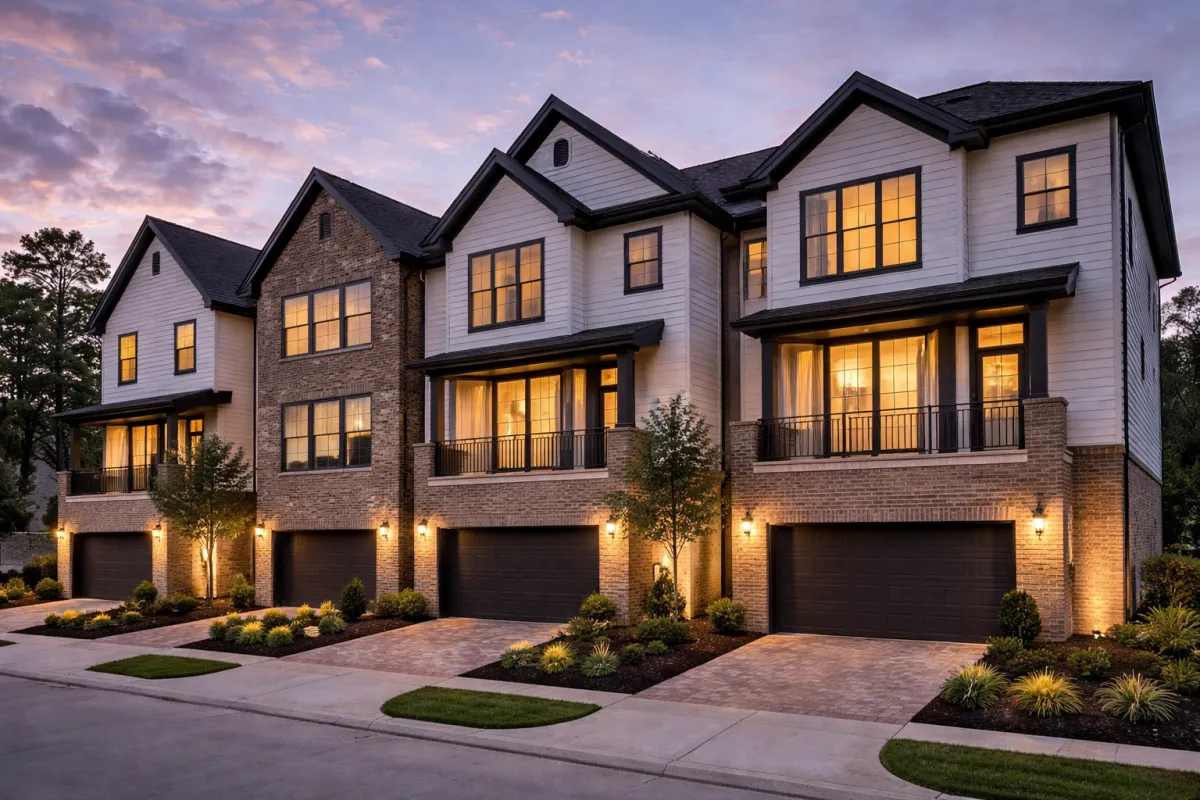
Curb shots win clicks. Mow and edge two days before, not the morning of, to avoid clippings and tire tracks. Fresh mulch photographs better than you think, and black mulch can look heavy, so use brown in many regions. Hide hoses in a pot with a lid. Sweep walks and blow leaves from the entry. Put out two matching planters with something seasonal and simple. If you are booking twilight with Luminis Media real estate photography, test every exterior bulb the day prior. Mismatched color temperatures between porch light and landscape lighting will show. Warm bulbs read inviting at dusk.
Patios and decks benefit from life cues. A small tray with two glasses on the table, a folded throw on a chair, and a simple potted herb create a soft narrative. Avoid staging full place settings outside unless you can keep them from looking lonely. Fewer props, well placed, beat a fake dinner table every time.
Timing and the weather card
A bright overcast day is excellent for interiors, but exteriors can look flat. If the forecast is even partially sunny, schedule the front elevation when the sun gives dimension to the facade. For twilight, a thin cloud layer can saturate colors and spread the glow, but heavy rain will kill reflections and morale. If you must shoot between storms, concentrate on interiors and grab a single moody exterior that feels intentional. Coordinating Luminis Media real estate videography on weather dicey days demands backup plans, sometimes swapping sequences to use covered areas first. Build a half hour buffer for last minute moves. It is not wasted time, it is the difference between a rushed set and the calm that great images require.
Communication with your photographer
Your Luminis Media real estate photographer is not just a button pusher. Bring them into staging decisions early. Share the MLS target, the buyer profile, and which features you believe sell the home. Ask for their opinion on anchor views and prop counts. For larger properties, create a shot list that is aspirational, not rigid. A good photographer will adjust based on where the light and lines perform. Keep a small staging kit on hand: a fabric steamer, glass cleaner, microfiber cloths, felt pads for furniture feet, and clear cable clips. With that, most last touches are doable on site.
The five minute rescue kit
There are days when contractors run late, sellers are still packing, and the clock is not your friend. You can still create usable frames if you focus on high impact fixes. Here is a compact checklist we rely on when time is tight.
- Clear all surfaces in kitchen and one bath, then add back one prop each. Open every blind and curtain, turn off overheads, turn on lamps. Hide cables, remotes, and trash cans in a single staging bin. Fluff sofa cushions and pull bed duvets tight, add one throw. Sweep front entry and place two matching planters.
This kit does not replace full staging. It protects the session and keeps the listing from looking neglected online. For many homes, that is the difference between scheduling a return and getting live on the MLS with dignity.
Occupied homes require diplomacy
When owners live in the property, staging becomes negotiation. Provide a short, respectful prep sheet a week in advance and offer a one hour on site walkthrough the day before Luminis Media listing photography. Frame requests in buyer benefits, not judgments. Instead of telling someone to hide the family photo wall, explain that clean walls help the room look larger and welcoming to all buyers. Offer to rehang a single favorite piece after the session. Pets present unique challenges. Ask owners to arrange daycare during the shoot. Even well behaved animals slow crews and track fur back onto just cleaned rugs.
Privacy matters. Confirm if security cameras or baby monitors will be active and ask to disable them for the session to avoid odd lights in frames. If owners worry about valuables, suggest packing small items into a labeled bin and loading it into a trunk. Removing that stress smooths the day.
When to skip, when to spend
Not every property returns the same value from staging. Use your market knowledge and let the visual plan guide spending. Consider this short decision helper.
- Spend on staging if the anchor room lacks a natural focal point, or the floor plan is complex. Spend on exterior touch ups if the yard is the differentiator in the comp set. Spend on partial furniture for vacant condos where scale is otherwise hard to read. Skip heavy decor if the architecture already provides rhythm, such as strong beams or arches. Skip full kitchen styling if the cabinetry and stone are the hero and the space is small.
When budgets allow, combine thoughtful staging with real estate photography Luminis Media and a short highlight reel from luminis.media real estate videography. Motion reinforces layout and lifestyle in a way stills cannot, and buyers who watch a video are more likely to visit. Just be sure you stage for both. Video punishes wobble and mess.
Luxury listings and restraint
Luxury real estate photography Luminis Media has a different cadence. The rooms are larger, the materials richer, and the buyer more discerning. Resist the urge to fill space. Negative space is part of the luxury vocabulary. Use fewer, larger pieces, and trust light to do more of the work. Fresh florals can elevate, but keep them structural and monochrome. Orchids, branches, or a large single species arrangement read better than mixed bouquets. Books are your friend. A stack of art monographs on a coffee table establishes tone without gimmick. Hide brand labels unless the brand elevates the property’s story. Do not display alcohol collections unless the bar is a key amenity and you understand platform rules for imagery.
For ultra high end, coordinate staging with the retouching plan. If your luminis.media real estate photographer plans to do window pulls or composite twilight, avoid placing reflective chrome directly opposite large windows. It looks great in person, but the reflections can complicate post work. Likewise, if the pool lights or fire features will be lit, test them the night before so you can adjust fueling or bulbs as needed.
Common traps and how to avoid them
Some pitfalls repeat often enough to warrant a quick tour. Ceiling fans with drooping blades telegraph deferred maintenance. Tighten or replace them. Glass tables with finger smudges look ten times worse in flash, so wipe last. Refrigerator fronts loaded with magnets will ruin any kitchen frame, so strip them early. Bed skirts that ride high or sag turn luxury into rental. Use pins to anchor corners. Visible air fresheners raise suspicion about odors, and they often look cheap. Remove them and aerate the space before the crew arrives.
Mirrors, TVs, and screens reflect more than you think. Angle them slightly or cut them from the frame if they capture the crew. If you need a television on for a lifestyle shot, choose a neutral screen saver or a calming landscape. Avoid news or sports that date the image or signal a demographic. Plants can bring life, but dying leaves and dry soil do the opposite. Water and trim the day prior.
Coordinating stills, video, and floor plans
A full content package, stills plus luminis.media real estate videography and measured floor plans, requires choreography. Stage in layers so you can strip items quickly if they cause moire in video or block a scan. Rugs with tight stripes or herringbones can shimmer on camera. If that happens, pull the rug for video and replace it for stills if needed. Keep traffic flow in mind. Ask your Luminis Media real estate photographer to grab hero stills first while the rooms are pristine, then roll video, then capture details and exteriors. If a floor plan tech is on site, give them first pass access to each room before the props spread. That single step can shave half an hour from the day.
The quiet art of editing the edit
After the shoot, resist the urge to request heavy sky replacements, fake fires, or aggressive decluttering in post. Today’s buyers are good at spotting overworked images. Real estate photos Luminis Media aims for are clean and aspirational, home photography spring tx but honest. That trust builds brand equity for both agent and studio. If a space was not ready, schedule a quick reshoot block rather than asking for miracles in software. One polished frame is worth ten mediocre ones.
Staging as a habit, not an event
The best results come from systems. Build a small inventory of neutral props and textiles that live in labeled bins. Keep a go bag in your trunk with the rescue kit. Create a standard prep checklist you share with every seller, then personalize it by room once you have the walk through. Book your Luminis Media real estate photographer early and share the plan, including any special features like a community clubhouse, walking trail, or view corridor that requires a particular time. If you work in a team, assign roles on shoot day. One person floats to fix pillows and hides items as rooms rotate. Another tracks the shot list and checks off frames.
The goal of all this discipline is not perfection. It is emotional clarity. When a buyer scrolls through property photography Luminis Media created with you, they should feel oriented, welcomed, and curious. Staging is how you strip away the static, support the light, and let the architecture speak. Done well, it does not feel like effort. It feels like walking into a home that has been waiting for you.