If you photograph homes in Houston long enough, you stop treating efficiency like a buzzword and start treating it like survival. The city’s scale, traffic patterns, humidity swings, and mix of architectural styles demand a process that stays fast without cutting corners. That balance is the heart of luminis.media real estate photography. We treat every listing as a production with a tight call sheet, not a casual drop in with a camera bag. The result is simple, but not easy, quick shoots that still deliver consistent, listing‑ready images and video that help properties move.
What efficiency actually looks like on a Houston listing
Speed by itself is meaningless. The point is to capture complete, clean coverage that aligns with MLS rules, brand needs, and the home’s story, then deliver on time. For a typical three to four bedroom listing inside the loop, our Luminis Media real estate photographer will aim for 45 to 75 minutes on site, then a same day or next morning delivery window depending on add‑ons. Larger homes in Sugar Land or The Woodlands can stretch to two hours. Videography or aerials add time, but should not blow the schedule if preproduction is done well.
Efficiency is won or lost before the first exposure. If the agent, stager, cleaner, and photographer are not moving to the same beat, you end up chasing reflections of a moving day or removing lawn tools in post. That is not time well spent. With real estate photography luminis.media, we invest that time up front. The camera is the last thing to come out of the car.
Planning around Houston’s realities
Houston rewards preparation and punishes wishful thinking. Light, weather, and logistics shift block by block.
Morning light favors east facing facades in the Heights and Garden Oaks. Late afternoon gives Montrose and River Oaks textures a gentle rake across brick and stucco. In summer, skies build to predictable afternoon pop‑up showers, so we plan exteriors first if radar looks busy. Humidity is no small variable. If a camera moves from a cool car to a hot yard, front elements fog in seconds. We give lenses time to acclimate or keep silica gel packets in the bag to minimize fog.
Traffic is a creative constraint. A 2 pm start downtown on a weekday has a different risk profile than a 9 am in Katy. For multi‑property days, we schedule a clockwise loop that avoids late day inbound choke points on I‑10 and 610. That small planning step often saves 30 to 45 minutes of dead time and keeps editing on schedule.
Community rules matter. In some master planned neighborhoods west of Houston, signs and vehicles cannot be parked on streets during certain hours. High‑rises in Uptown usually require security badges and vendor insurance on file. The more we know 24 hours in advance, the smoother we move.
The lean preproduction that keeps shoots on rails
Preproduction for Luminis Media listing photography is deliberately compact, but precise. We confirm the scope, sequence, and style in a single call or a tight email thread. This is where we define the non‑negotiables. If the pool is the hero feature, we plan exterior anchor shots first. If the kitchen reno is the star, we build the interior sequence to land there with time to shape light.
Here is the compact checklist we send before most sessions.
- Access: lockbox code, parking notes, gate codes, elevator rules, pets on site Readiness: cleaners done, blinds checked, beds dressed, counters cleared, lawn mowed Priorities: rooms or features that must be emphasized, community amenities if needed Deliverables: stills count, orientation mix, video length, reels or vertical clips, aerials, floor plan Deadlines: go live time on MLS, social launch, brochure proof window
That list is short on purpose. It reduces the chance that a busy agent ignores it, and it keeps attention on the pieces that derail timelines most often.
A fast on‑site sequence that preserves quality
Once we are in the home, momentum matters. We work a predictable pattern that flexes to layout. It compresses decision fatigue, so we spend energy on composition and light, not logistics.
- Scout pass: lights off and on comparison, drape control, window hotspots, reflection hazards Exterior anchor: front elevation, secondary angle, approach shot, then rear yard and pool Interiors wide first: main living, kitchen, primary suite, then transitional spaces Details and vignettes: hardware, tile, fixtures, fireplace, staging highlights Insurance shots: extra angles of hero rooms for marketing options or MLS aspect changes
This is the second and final list in this article. It sets the pace. A good scout pass often removes half the small surprises that slow shooters down.
Why window pulls and color control save minutes later
In Houston, many homes mix daylight with warm LED or, in older properties, compact fluorescents. Left alone, you get orange shadows in white kitchens and cyan color casts on shaded walls. The temptation is to bracket broadly and “fix it in post,” but the fastest workflow is to capture cleaner frames at the start.
We use a blend of ambient and flash, often called flambient, to stabilize color and contrast. A single bounced flash pop aimed into a ceiling or upper wall evens out color temperature without flattening the space. For window pulls, we expose one frame for the exterior, then one for the room with flash lift. If time allows, a quick flag with a collapsible reflector or even a black foam core board blocks reflections on glossy cabinets. That 60 second move can save five minutes of retouching. In sleek townhomes off Washington Avenue with glass railings and lacquered cabinets, this is non‑negotiable.
Lens choice also speeds post. A rectilinear 16 to 35 mm on full frame covers 90 percent of rooms. Tilt‑shift glass can be useful for tall, narrow spaces, but it slows the pace unless the architecture demands it. For Luminis Media property photography, we default to keeping verticals straight in camera with careful tripod leveling, then fine tune in editing. This avoids warping that can make rooms look unnatural on HAR feeds.
Natural light, cloudy days, and when to lean into each
Bright sun in Houston creates deep patios with hard contrast and windows that blow out two stops past ambient. Cloudy days, by contrast, can be a gift for interiors, especially in homes with tall canopy trees common in West University and Bellaire. On overcast mornings, we often reduce flash power or skip it entirely for some rooms, which quickens capture and produces a calmer look that suits transitional design.
Twilight exteriors remain a favorite, but they require precise sequencing. We arrive 30 to 45 minutes before sunset, set interior lights and porch fixtures, and capture the front elevation as blue hour deepens. If we add Luminis Media real estate videography on the same visit, we block the video gimbal route to avoid crossing the stills tripod path. Efficiency in twilight shoots comes from restraint, not the number of frames. Two or three strong exterior angles usually outperform eight weak ones.
The realities of condos and high‑rises
High‑rises in the Galleria and Downtown add friction, and that friction is predictable. Elevators are slow, security is cautious, and amenity floors are often in use. We build a parallel plan to exploit idle time. If the pool terrace is full, we pivot to the unit, then return to amenities as traffic clears. Always ask the manager for the quiet window. Many buildings prefer mid‑mornings.
Mixed glazing in towers can also produce odd color shifts. Tinted windows tend to cool the ambient light. We test a custom white balance or lean into RAW adjustments. A quick gray card frame at the start saves second guessing later and avoids green casts that can creep into video midtones.
Parking matters too. In Midtown and Museum District, street parking flips every two hours. We factor a relocation buffer into the schedule or request a temporary spot from management. It is not glamorous planning, but it is often the difference between a 60 and a 90 minute appointment.
Drone and exterior work in complex airspace
Aerials add drama, and Houston’s sprawl benefits from context. That said, a Luminis Media real estate photographer flying a drone works under Part 107 rules with a strict eye on airspace. Large parts of the city sit under Class B shelves from IAH and Class C from Hobby. LAANC authorizations can often cover suburban shoots, but closer in you sometimes need a plan B. If airspace limits flight, we will capture elevated mast shots to suggest height without violating regulations.
Wind and heat are separate enemies. Summer thermals over concrete create choppy air by late afternoon. We fly earlier or pick lower, wider orbits to reduce wobble for smoother Luminis Media real estate photographer spring tx Luminis Media LLC real estate videography sequences. For properties near the bay or the Ship Channel, salty air and gusts ask for quick, purposeful flights. Batteries sag faster in heat. We carry extras and shade them between flights. Simple habits preserve schedule and safety.
Video without blowing the timeline
Real estate videography luminis.media works from the same efficiency principles as stills. We prefer a gimbal and natural sound pass when the home has acoustic character, then a clean track with a lav mic for agent voiceover if requested. We storyboard shot sequences against the floor plan and lock the hero reveal angles before rolling. The goal is a smooth 60 to 120 second edit for listings, and 10 to 20 second vertical cuts for social. If the agent wants an on‑camera intro, we stage it where the background carries design weight, often kitchen islands or feature walls rather than empty hallways.
Lighting for video is kept light, no pun intended. We avoid large constant lights that slow resets. If a room is dim, we bump ISO and rely on modern sensors, then apply a gentle denoise in post. Clean composition and motion are more persuasive to buyers than hyper‑lit frames that took too long to set. That credo keeps our luminis.media real estate videography sessions aligned with stills timing.
The editing pipeline that respects deadlines
Fast capture is only half the promise. Delivery is where trust is won. Our real estate photos luminis.media workflow starts on site with dual card writing to avoid data loss. Files are culled quickly with clear criteria. We favor angles that show function and flow over sheer count. Three wide images that explain a living area beat five slight variations.
Color and geometry corrections are standardized. We sync white balance across series, keep verticals strict, and maintain a gentle S‑curve for contrast that looks natural on MLS after compression. HAR and most MLS feeds compress aggressively, so we export sizes that preserve detail without creating artifacts. Landscape orientation dominates cover images, but we deliver a mix that respects carousel layouts in social feeds.
For Luminis Media property photography, retouching is pragmatic. We remove small wall scuffs, sensor dust, and distracting cords. We do not erase power lines or change exterior skies except for a mild enhancement that stays honest to the scene. This ethics line matters, and it protects agents and sellers. We do blue sky replacements only when the original sky is flat grey and the edit will not mislead a buyer about time of day.
Turnaround times are set at booking. Same day delivery is common for standard stills. When a package includes Luminis Media real estate photos and video, plus aerials or a floor plan, we confirm whether it lands that night or by morning. If an agent plans a social push, we send one or two hero frames early to let marketing teams build captions and schedules.
Small technical moves that pay big time dividends
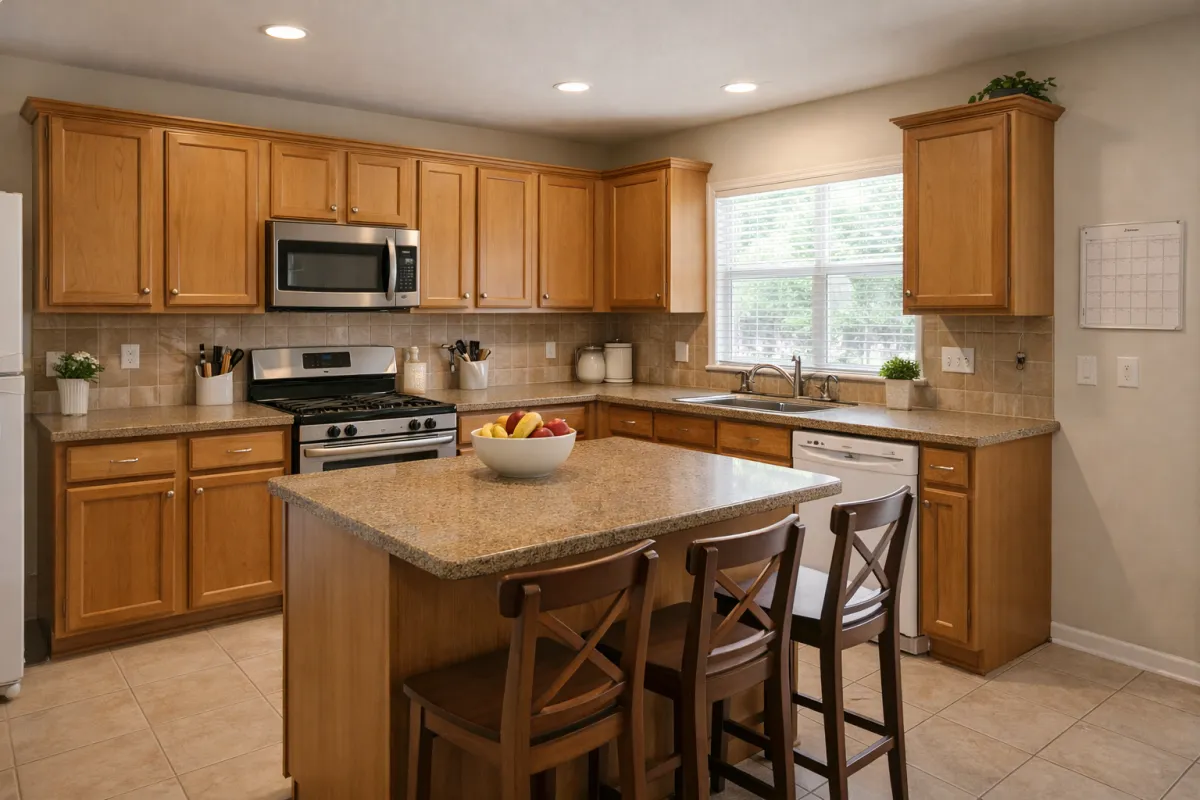
Houston kitchens often have under‑cabinet LEDs that cast strong cyan or green hits on countertops. We kill them unless they add dimension that outweighs the color shift. If the homeowner wants them on, we balance with gelled flash or mask in post across a single plane. It takes a moment to decide on site, but it stops deep color surgery later.
Mirrors in powder rooms are notorious time bandits. We position the tripod just off axis and elevate slightly to avoid a direct reflection, then angle the camera to keep verticals true. If the vanity is tight, a single flash held high by an assistant or on a monopod lights the space without blowing the mirror. These moves are muscle memory after hundreds of bathrooms. They shave minutes consistently.
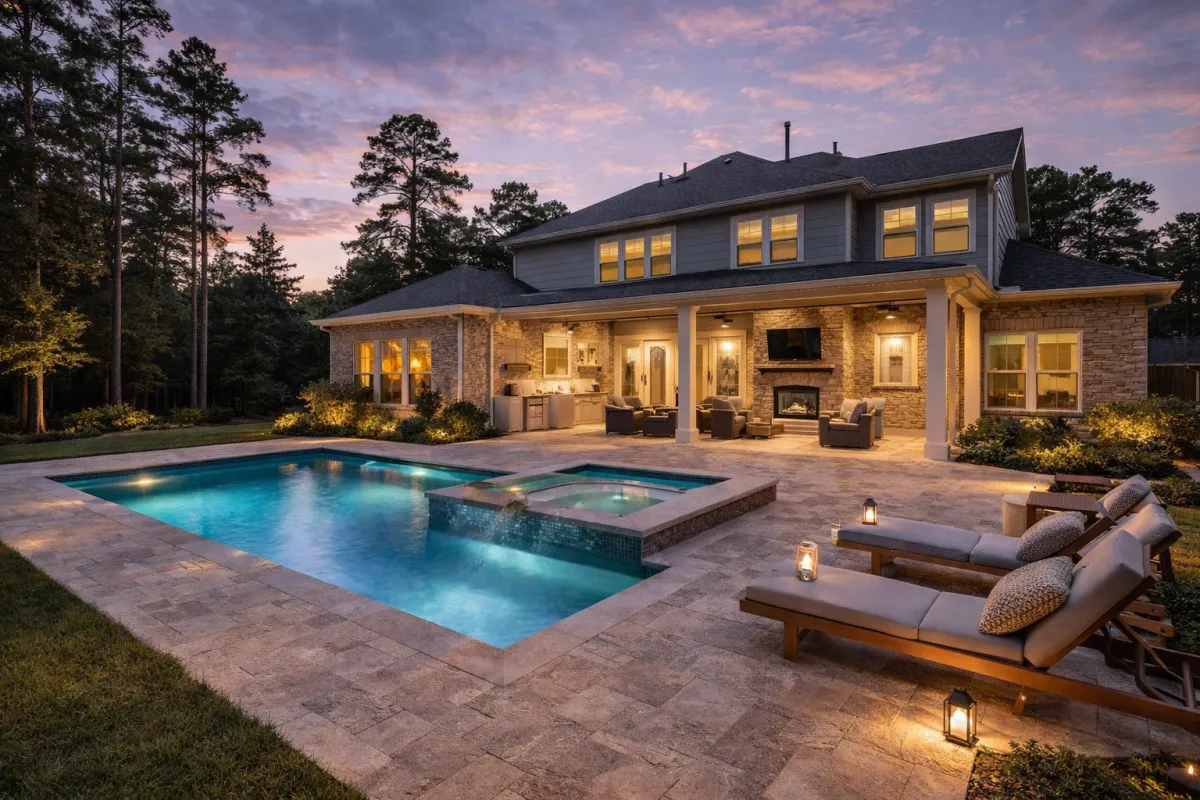
Patios and screened porches present exposure balance issues, especially in shaded backyards of Memorial and Tanglewood. We expose for the patio interior, then lift the yard with a subtle off camera flash bounced against a fence or patio ceiling. This preserves the indoor to outdoor relationship and avoids a muddy yard that kills the mood.
Working with builders, stagers, and tenants
Efficiency on occupied homes starts with empathy. Tenants and sellers juggle kids, pets, and jobs. We communicate exact arrival windows and likely duration. If a room is not ready, we pivot and return rather than wait in the doorway while someone moves laundry. That small show of respect speeds the process and keeps everyone calm.
Builders and flippers require a different cadence. Construction dust, punch list items, and late furniture deliveries are common. For new builds, we prefer to shoot in two passes. First, exteriors and spaces that are 100 percent complete, then a quick follow‑up after subs finish. For property photography luminis.media, this split approach prevents marathon sessions that drag past sunset with little to show for it.
Stagers are allies. If we can coordinate arrival with final pillow fluffing rather than mid staging chaos, the whole day moves better. We share a shot list with them, especially if a staging element is meant to draw attention to a feature. A striped runner can guide the eye down a hallway. A pair of stools can anchor a kitchen island. Intentional staging compresses time spent hunting for a composition.
Safety, privacy, and the quiet details that matter
We do not publish shots that display visible alarm pads close enough to read codes, high value safes, or family photos. It costs nothing in time to protect a seller’s privacy. We also keep garage remotes and mail with visible addresses out of frames. When we deliver Luminis Media real estate photos, we run a quick review for these details. Once you build that habit, it does not slow you down.
On site, shoes off or shoe covers is the default unless a builder says otherwise. Houston clay is no friend to new carpets. Gear stays tight, no broad spreads of cases that block hallways. Agents notice, and it builds trust that pays off when schedules are tight and access is delicate.
The numbers we watch, and how they improve
Internally, we track cycle times. Time from arrival to first delivered hero image, frames per room, the ratio of keeper images to total captures, and edit time per property. Over a few quarters, those numbers tell a story. For example, when our average frames per room drift up without a change in quality, it signals hesitation or redundant coverage. We coach back to concise shooting. When edit time per property spikes in a neighborhood, it might point to consistent lighting issues in those floor plans. We adjust on site technique rather than pushing editors to grind longer.
This is how luminis.media real estate photography stays fast. Not by rushing, but by building repeatable decisions into the process until they are habit.
What agents can do to help us help them
Most agents already know the basics, but a clear expectation game plan is half the battle. A quick pre‑shoot walkthrough by the agent or seller the night before solves more problems than any amount of retouching. If you represent listings across Cypress, Pearland, and Pasadena in one day, share your tightest timing constraints. We can shape the route to suit.
When you need both Luminis Media real estate photography and Luminis Media real estate videography, let us know which medium has priority for the marketing push. If the broker wants video live on Friday but stills can wait until Saturday’s open house, we will allocate time and editing resources accordingly. Alignment sounds obvious, yet it is the easiest lever to pull for a truly efficient result.
Real examples from the field
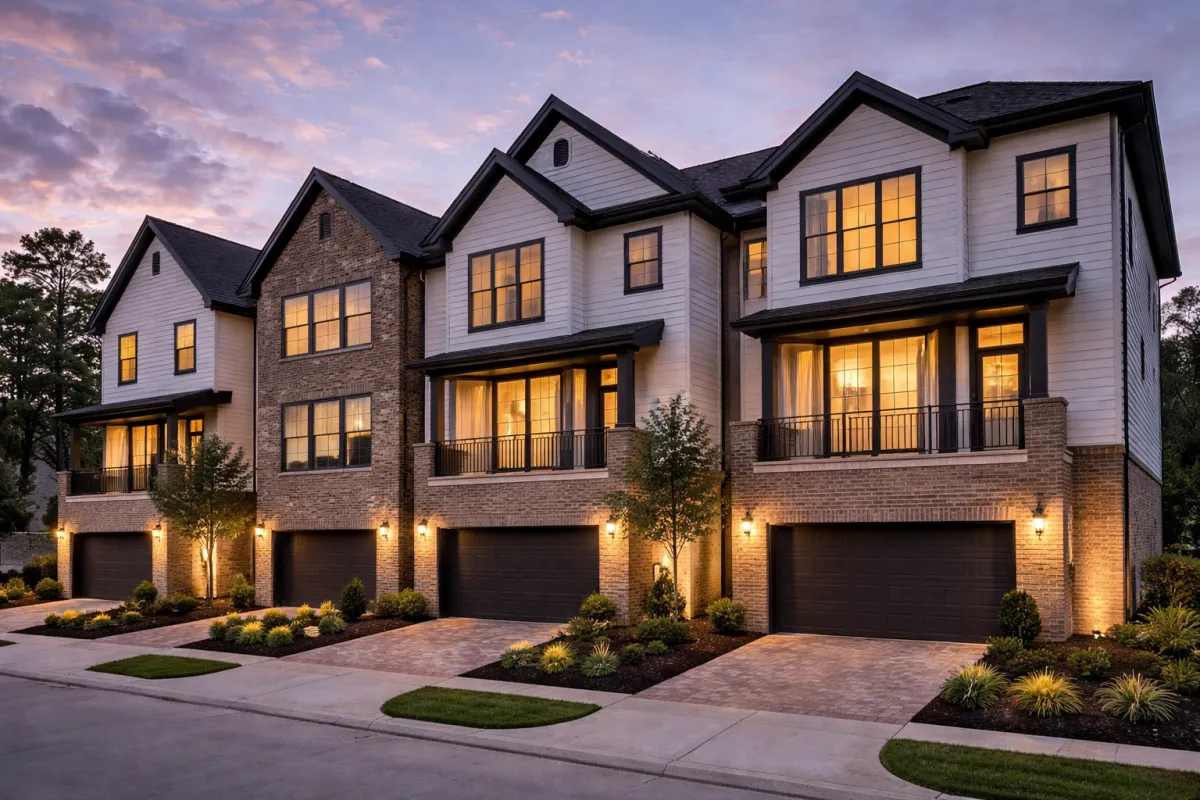
A Montrose townhome with a rooftop deck needed a fast turnaround for a midweek broker tour. The risk was weather, with a late afternoon storm line on radar. We ran a split sequence. Rooftop first with a quick 360 sweep, then a fast interior series with a single bounced flash for consistency. Rain arrived just as we captured the final primary bath angle. Stills delivered by 9 pm, and short vertical clips pulled from the video gave the agent social content that night. The listing went live the next morning with full coverage.
In Sugar Land, a large stucco home with high, warm LEDs and dark wood floors risked color cast chaos. We cut under‑cabinet lighting, gelled a single flash to warm the ambient slightly, and bracketed one clean window pull for the main living room. That small up front discipline meant the edit landed under the quoted time, and colors held steady across every frame. The agent remarked that the kitchen finally looked as calm as it does in person.
A Downtown high‑rise refused drone flights due to airspace and building policy. We substituted a 30 foot mast from a nearby public sidewalk to capture an elevated context shot, then focused video coverage on the floor to ceiling windows and amenity lounge at a quiet hour. The replacement shot still gave buyers the city feel without violating rules or wasting time.
Why the brand name matters less than the habits behind it
You will see a lot of phrases around this space, from Luminis Media real estate photography to Luminis Media listing photography and Luminis Media property photography. They all point to the same idea. A crew that shows up prepared, respects your time, and handles light, color, and composition with discipline. Real estate photos Luminis Media are not fast by accident. They are the result of dozens of small, practiced choices that keep the shoot moving and keep editing tight.
The same applies to video. Whether you search for real estate videography Luminis Media or luminis.media real estate videography, the outcome hinges on planning, not gadgetry. A polished 90 second cut that lands on schedule is far more valuable than a sprawling reel that arrives late.
Final thoughts from the field
Houston rewards teams that respect details and pace. Our city is big, the homes range from 1920s bungalows in the Heights to wide modern builds in Katy, and the weather has a mind of its own. Efficient luminis.media real estate photographer work is a craft built from restraint, preparation, and the right on site habits. It is turning on fewer lights rather than more when color goes sideways. It is placing one flash with intention instead of setting up three you do not need. It is scouting a front elevation for five minutes to choose the single best angle rather than spraying six.
When that discipline combines with clear communication and a tight editing pipeline, agents get what they need. Sharp, honest Luminis Media real estate photos, video that flows, and delivery that hits the calendar every time. That predictability is the quiet superpower in a market where days on market can change by the week and first impressions truly matter.